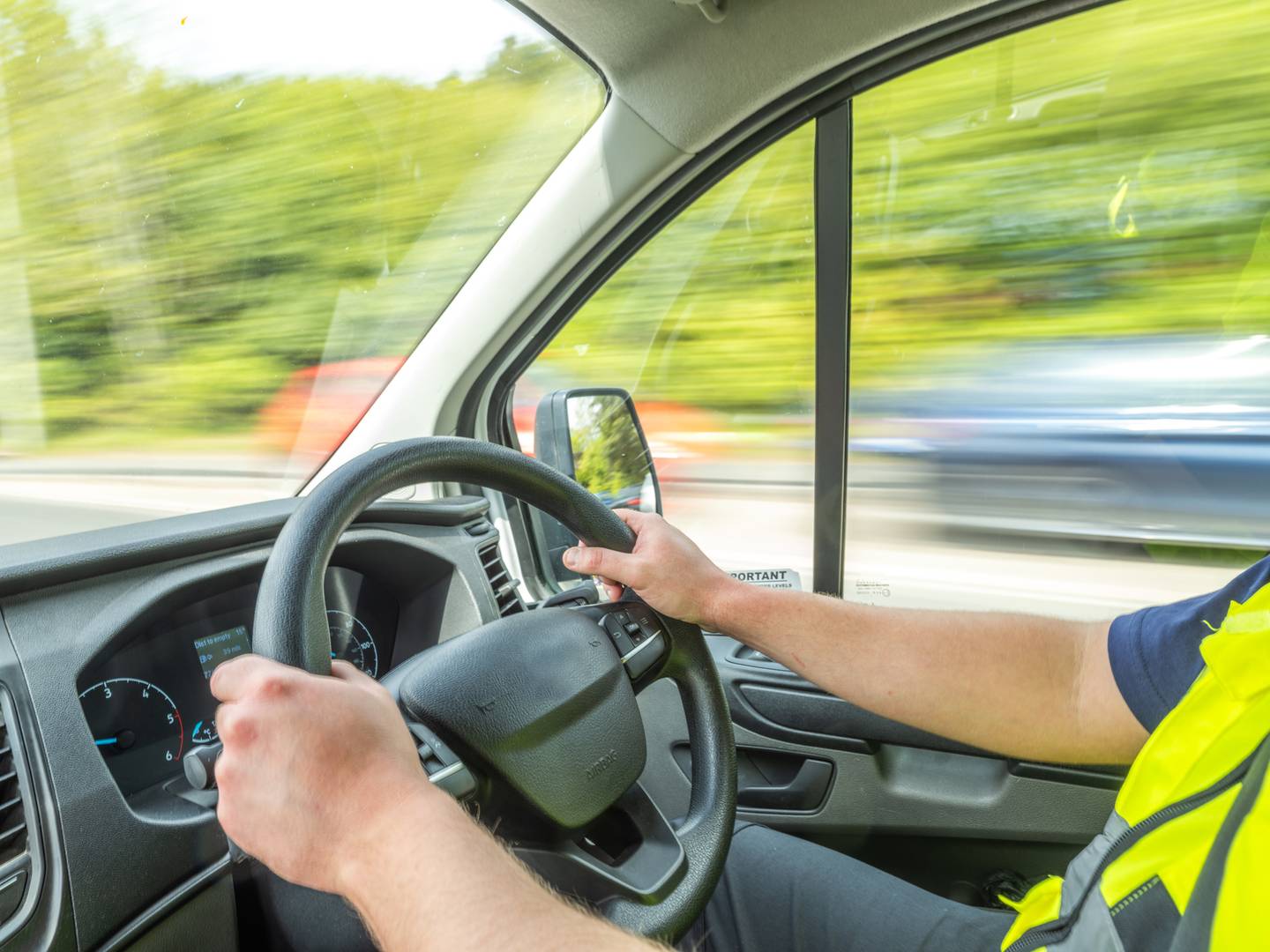
Commercial Driver and Rideshare Medicals
Why they matter, what's actually involved, and where to get one done properly
If you drive a heavy vehicle, a bus, a taxi, or pick up rides through Uber, DiDi or Ola, there is a piece of paperwork that sits quietly behind your livelihood: your commercial driver medical certificate. Without it, your Driver Authorisation lapses. Without that, you don't drive. And if you don't drive, you don't earn.
Most drivers we speak to know this in theory. In practice, the medical often gets pushed to the bottom of the list — until a renewal date sneaks up, an employer audit lands, or TMR sends a reminder. At that point it becomes urgent, and a rushed medical is rarely a good medical.
This article is a plain-English guide to what these assessments actually involve, why the standards are tighter than for an ordinary licence, and how the team across our Anchor Medical clinics can help you get yours done properly — without the runaround.
The Austroads standard: private vs commercial
Whether you're a heavy vehicle driver, a bus operator, a dangerous goods driver, a rideshare driver-partner or a taxi driver, the medical you need is built on the same national framework: the Austroads Assessing Fitness to Drive (AFTD) standards. These are the medical criteria that every Australian state and territory uses to decide whether someone is medically fit to drive a vehicle that carries the public, transports goods, or is large enough to cause significant harm if something goes wrong.
There are two sets of standards in that document — private and commercial. Commercial is the higher bar. The reasoning is straightforward: a heavy vehicle driver behind the wheel for ten hours, a bus driver carrying forty passengers, or a rideshare driver collecting a stranger at 2am all carry more risk per kilometre than someone driving the kids to school. The medical standards reflect that.
In Queensland, your GP completes two TMR forms: the Private and Commercial Vehicle Driver's Health Assessment (F3195) that you fill in beforehand, and the Medical Certificate for Motor Vehicle Driver (F3712) that the doctor completes during the consult. Bring both, or we'll have copies on hand.
Who needs a commercial driver medical?
In Queensland, the commercial standard applies if you fall into any of the following groups:
- Heavy vehicle drivers — anyone holding or applying for a Medium Rigid (MR), Heavy Rigid (HR), Heavy Combination (HC) or Multi Combination (MC) licence.
- Bus and coach drivers — including school bus, charter and route drivers.
- Taxi and limousine drivers — required as part of your Driver Authorisation.
- Rideshare driver-partners — Uber, DiDi, Ola, Bolt, GoCatch and any other booked-hire platform. The Booked Hire/Taxi (BHTX) Driver Authorisation requires a commercial-standard medical before TMR will issue your card.
- Dangerous goods drivers — anyone carrying loads above the prescribed thresholds.
- Drivers under fatigue management — those subject to Basic or Advanced Fatigue Management under the National Heavy Vehicle Accreditation Standard.
- Driver Authorisation holders aged 75 and over — TMR requires an annual commercial medical, regardless of any underlying condition.
If you're not sure whether your role requires a commercial or private medical, ask us before you book. It is a five-minute phone call that can save you a wasted appointment.
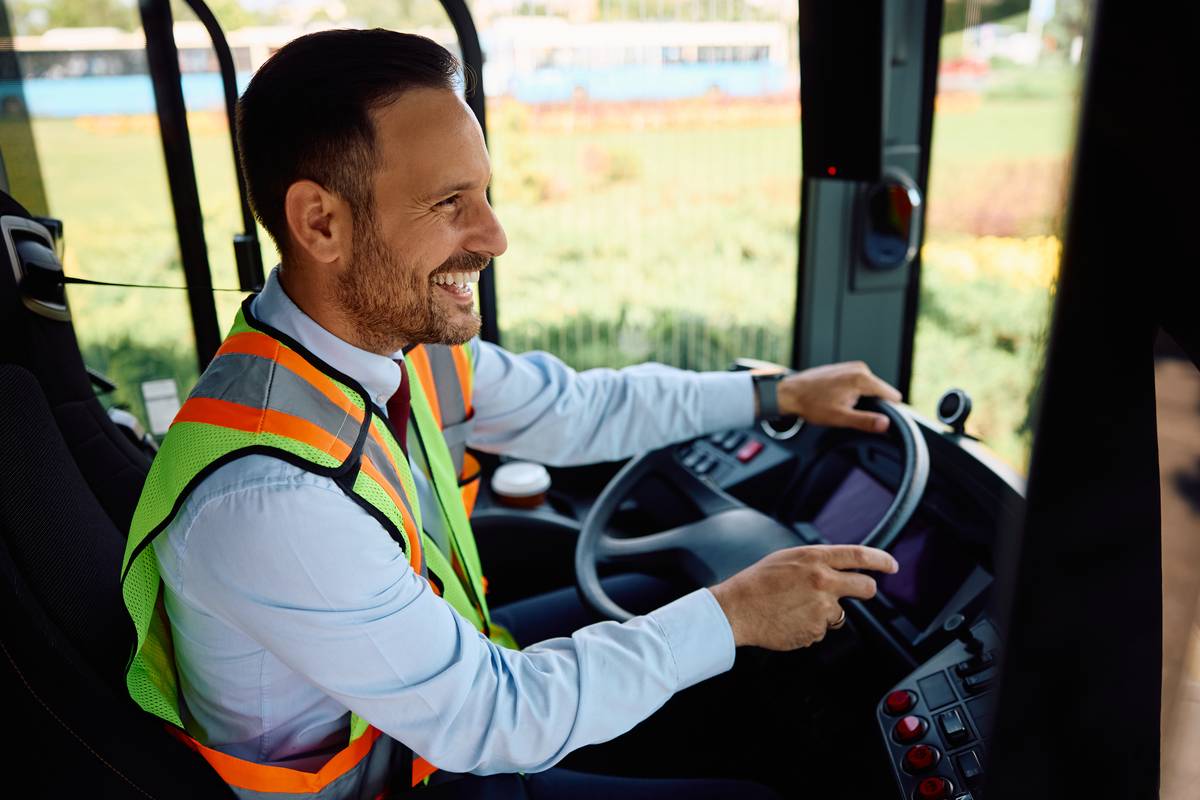

What's involved in a commercial driver medical
A commercial driver medical is not a tick-and-flick. Done well, it is a proper review of the things that genuinely affect your ability to operate a vehicle safely over long hours. Here is what we cover in our clinics:
- Vision — visual acuity, visual fields, colour perception. Glasses or contact lenses are taken into account.
- Cardiovascular health — blood pressure, heart rhythm, history of cardiac events. This is one of the more common reasons for conditional certificates.
- Diabetes and metabolic conditions — particularly hypoglycaemia risk and how well your condition is controlled.
- Sleep and fatigue — obstructive sleep apnoea is one of the most under-diagnosed risks in commercial driving. We screen for it and arrange follow-up if needed.
- Neurological history — seizures, blackouts, strokes, cognitive concerns.
- Mental health and substance use — including how any prescribed medications might affect driving.
- Musculoskeletal function — particularly relevant for heavy vehicle and long-haul drivers.
- Medications review — anything sedating, anything affecting concentration, anything that interacts with shift work.
At the end of the assessment, your GP signs the F3712 with one of three outcomes: medically fit, medically fit subject to conditions (for example, with corrective lenses or shorter renewal intervals), or not currently fit to drive commercially. The certificate is valid for up to five years, though shorter periods are common for drivers managing chronic conditions, and is mandatory annually for DA holders aged 75 and over.
Why these medicals matter — beyond the paperwork
It would be easy to treat the commercial medical as a regulatory hurdle. Get the form, get it signed, get back on the road. But here is what we see repeatedly in practice:
These assessments routinely catch things that drivers didn't know about. Untreated hypertension. Early-stage diabetes. Sleep apnoea that explains years of fatigue. Vision loss that has crept up gradually enough to escape notice. For a driver, those findings aren't just a road safety issue — they are personal health issues that, left unmanaged, shorten careers and lives.
The other reality is that commercial driving is a tough job. Long hours, irregular sleep, sedentary postures, takeaway food, and the loneliness of the road are not a recipe for cardiovascular health. A properly conducted medical is one of the few structured opportunities a driver gets to take stock of how the work is treating their body. We treat it that way.
A good commercial driver medical is a health checkpoint disguised as compliance. The certificate is the by-product. The real value is what we find — and what we help you do about it.
Commercial driver and rideshare medicals at Anchor Medical
Across our family of clinics we provide both commercial driver medicals and rideshare medicals as a routine part of what we do. Here is what that looks like in practice:
- Doctors who know the AFTD standards — our GPs assess against the Austroads commercial standards and complete the correct TMR forms (F3195 and F3712) so there are no rejections or rework with the licensing authority.
- Appointment lengths that match the job — a commercial medical takes longer than a standard consult. We book the time properly so the assessment is thorough and you're not rushed back out the door.
- On-site nursing support — for vision testing, blood pressure measurement, urinalysis and any vitals required as part of the assessment.
- Follow-up in the same clinic — if something is picked up that needs investigation (suspected sleep apnoea, blood pressure that needs work, a cardiac referral), we manage it from the same practice rather than sending you on a referral chase.
- Multiple convenient locations — clinics across North Brisbane and Melbourne mean there's almost certainly one near where you live, work, or finish a shift.
- Familiar with rideshare onboarding — we routinely see drivers coming through the Uber, DiDi, Ola and Bolt onboarding process and know exactly what TMR will accept.
Before your appointment
To make the visit smooth:
- Download and complete Part 1 of the F3195 form (we can email you a copy, or you can print it from the TMR website).
- Bring your driver licence, glasses or contact lenses if you wear them for driving, a list of any medications you take, and any specialist reports relevant to your medical history.
- Allow a little extra time on the day. Done properly, this is a 30 to 45 minute consultation, not a five-minute stamp.
Whether you're driving for a living, driving on weekends to top up the household budget, or managing a fleet and looking for a clinic group your drivers can rely on — we'd be glad to help.
— The team at Anchor Medical
Book your driver medical
Book a commercial driver or rideshare medical through Anchor Medical's workplace health team. We'll match you to the right clinic and appointment time — for individual drivers and fleets alike.